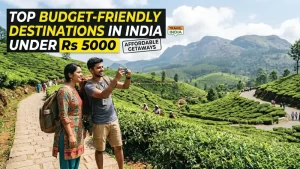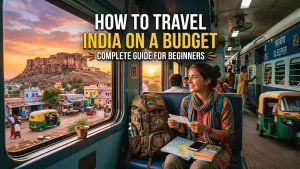
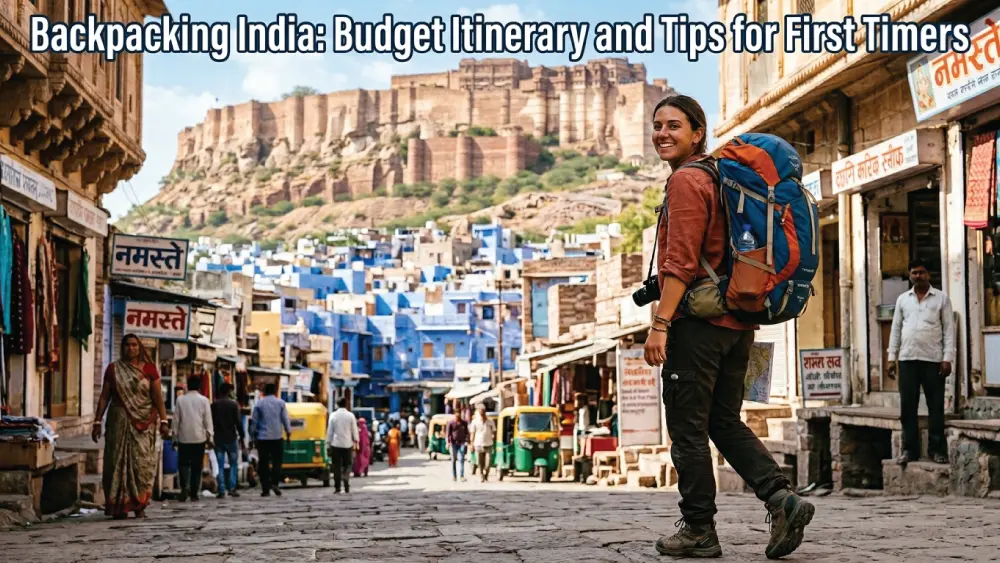
Backpacking through India is not just a trip-it’s an experience that transforms how you see travel. From chaotic cities to serene mountains, golden deserts to tropical beaches, India offers unmatched diversity at surprisingly low costs. For first-time backpackers, planning can feel overwhelming-but with the right strategy, you can explore the country comfortably on a budget. This guide will walk you through a practical itinerary, essential tips, and smart ways to save money while experiencing the best of India. Whether you’re chasing culture, food, or adventure, this ever-evolving budget travel guide will help you do it all-without breaking the bank.
Why Choose India for Backpacking
India is one of the most budget-friendly travel destinations in the world. A mix of affordability, rich culture, and diverse landscapes makes it perfect for first-time backpackers. You can explore iconic cities like Jaipur, spiritual hubs like Varanasi, mountain escapes like Manali, and beach destinations like Goa-all within a single trip. Backpacking India is also about discovering the unexpected-street food, local festivals, hidden villages, and authentic human connections.
Ideal Budget for Backpacking India
A common misconception is that backpacking in India requires extremely low spending-but smart budgeting matters more than spending less.
Average Daily Budget (per person):
- Budget traveler: Rs 800 – Rs 1500
- Mid-range backpacker: Rs 1500 – Rs 3000
Cost Breakdown:
- Hostel stay: Rs 300 – Rs 800
- Local food: Rs 150 – Rs 400 per meal
- Transportation: Rs 100 – Rs 1000 (depending on distance)
- Attractions: Rs 50 – Rs 500
With proper planning, you can comfortably travel for 2 weeks under Rs 20,000–Rs 30,000.
Best Time to Visit India
India’s climate varies widely, so timing your trip is essential.
- October to March: Best overall season (pleasant weather)
- April to June: Ideal for hill stations like Shimla and Manali
- July to September: Monsoon season, great for greenery but travel disruptions possible
If you’re a first-timer, winter months (Nov–Feb) are safest and most comfortable.
2-Week Budget Backpacking Itinerary
Here’s a tried-and-tested route covering North India’s highlights:
Day 1–3: Delhi Exploration
Start in Delhi, the capital city. Explore:
- India Gate
- Red Fort
- Street food in Chandni Chowk
Budget Tip: Use metro instead of taxis.
Day 4–6: Jaipur (The Pink City)
Head to Jaipur by train or bus.
- Amber Fort
- Hawa Mahal
- City Palace
Budget Tip: Rent a scooter or use shared autos.
Day 7–9: Pushkar & Udaipur
Visit Pushkar for a peaceful vibe and then Udaipur.
- Pushkar Lake
- Udaipur’s lakes and palaces
Budget Tip: Stay in lakeside hostels for scenic views at low cost.
Day 10–12: Manali (Mountains)
Travel overnight to Manali.
- Solang Valley
- Old Manali cafés
- Trekking trails
Budget Tip: Book buses early to save money.
Day 13–14: Rishikesh (Adventure & Spirituality)
End your trip in Rishikesh.
- Ganga Aarti
- River rafting
- Yoga sessions
Budget Travel Tips for First Timers
Backpacking is all about smart decisions, not sacrifices.
1. Travel Slow
Avoid rushing. Staying longer in one place reduces transport costs.
2. Use Local Transport
Trains, buses, and shared autos are extremely cheap and efficient.
3. Bargain Smartly
In local markets, bargaining is expected-just be respectful.
4. Book in Advance
Train tickets via IRCTC or buses can sell out quickly.
5. Travel Light
Carry essentials only-this saves baggage costs and effort.
Accommodation Guide for Backpackers
India has a thriving hostel culture ideal for budget travelers.
Options:
- Hostels (best for socializing)
- Guesthouses (affordable & private)
- Budget hotels
Popular hostel chains include:
- Zostel
- goSTOPS
- Hosteller
Prices are usually affordable and include Wi-Fi, lockers, and common areas.
Transportation Hacks to Save Money
Transport is one of the biggest expenses-but also the easiest to optimize.
Best Options:
- Indian Railways – cheapest long-distance option
- State buses – budget-friendly and widely available
- Shared cabs – useful in remote areas
Pro Tips:
- Book sleeper class for overnight journeys
- Use apps like RedBus for bus bookings
- Avoid last-minute flights unless discounted
Food & Daily Expense Breakdown
Food in India is both delicious and cheap-especially if you eat like a local.
What to Eat:
- Street food (samosa, chaat, paratha)
- Thali meals (complete meal at low cost)
- Local dhabas
Daily Food Budget:
- Budget: Rs 300 – Rs 600
- Comfortable: Rs 600 – Rs 1000
Tip: Avoid touristy restaurants to save money and enjoy authentic flavors.
Safety Tips for Backpackers
India is generally safe, but awareness is key.
- Keep valuables secure
- Avoid isolated areas at night
- Use trusted transport services
- Respect local culture and dress modestly
- Stay connected with family or friends
Solo travelers, including women, can travel safely by staying alert and choosing reliable accommodations.
The Ever-Evolving Nature of Budget Travel
Budget travel in India is constantly evolving. With digital payments, travel apps, and better connectivity, backpacking has become easier than ever.
Platforms now offer:
- Real-time bookings
- Discounted stays
- Travel communities
Modern backpackers are not just saving money-they are traveling smarter. Websites like Roam Smartly continue to inspire travelers with updated insights, helping them navigate India efficiently without overspending.
Conclusion
Backpacking India is one of the most rewarding travel experiences you can have. With a mix of culture, adventure, affordability, and unpredictability, every journey feels unique. By following this itinerary and tips, first-time travelers can explore India confidently without overspending. As budget travel continues to evolve, tools and platforms like Roam Smartly make planning easier than ever-helping you focus on what truly matters: the journey.
FAQs
Is India safe for first-time backpackers?
Yes, India is generally safe if you follow basic precautions, choose trusted accommodations, and stay aware of your surroundings.
How much money do I need for 2 weeks in India?
A budget traveler can manage comfortably within Rs 20,000–Rs 30,000 for 2 weeks.
What is the cheapest way to travel across India?
Indian Railways and state buses are the cheapest and most widely used options.
Do I need to pre-book accommodations?
It’s recommended during peak seasons, but off-season travelers can find on-the-spot deals.
What should I pack for backpacking India?
Pack light clothing, comfortable shoes, basic medicines, power bank, and travel documents.
Can I backpack India solo?
Absolutely! India is a popular destination for solo backpackers, with plenty of hostels and traveler communities.